

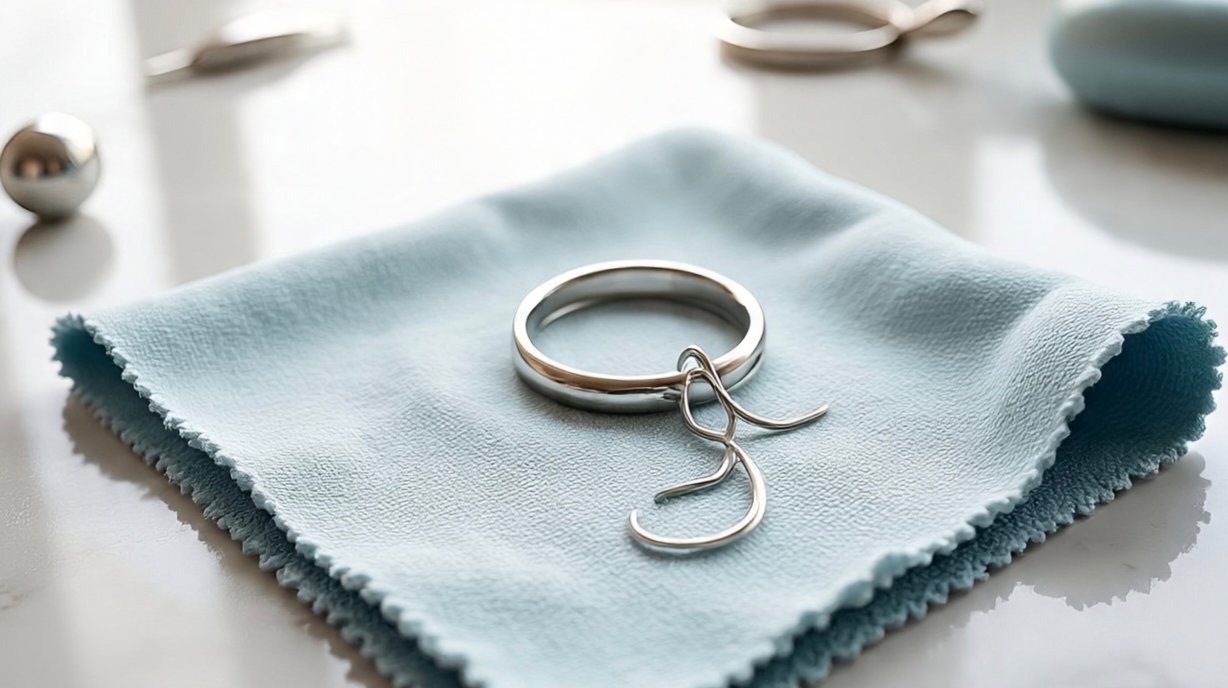
Silver looks elegant, timeless, and luxurious. Whether you own sterling silver jewelry, antique cutlery, decorative trays, or heirloom pieces, you know how beautiful silver can look when it shines. However, silver naturally tarnishes over time. Air exposure, humidity, sulfur, and everyday handling cause dullness and dark discoloration.
That is where a silver polishing cloth becomes essential.
In this complete guide, you will learn:
- What a silver polishing cloth is
- How it works
- Why silver tarnishes
- How to use it properly
- When to avoid it
- How to choose the best cloth
- Care and maintenance tips
- Mistakes to avoid
- Professional insights
If you want to restore your silver safely without harsh chemicals, this guide covers everything you need.
What Is a Silver Polishing Cloth?
A silver polishing cloth is a specially treated fabric designed to remove tarnish and restore shine from silver items. Unlike regular cloths, it contains chemical cleaning agents embedded in the fibers.
These agents gently react with tarnish and lift it away without scratching the metal.
Most high-quality silver polishing cloths come in two layers:
- Inner treated cloth (removes tarnish)
- Outer buffing cloth (polishes and shines)
Brands such as Connoisseurs and Goddards manufacture widely trusted polishing cloths for jewelry and silverware.
Why Does Silver Tarnish?
Silver tarnishes because it reacts with sulfur compounds in the air. When silver combines with sulfur, it forms silver sulfide the dark layer you see as tarnish.
Common causes include:
- Air pollution
- Humidity
- Sweat
- Perfume
- Household chemicals
- Rubber storage materials
Tarnish does not mean your silver is low quality. It is a natural chemical reaction.
How Does a Silver Polishing Cloth Work?
A silver polishing cloth contains micro-abrasives and chemical cleaning agents. When you rub the cloth on tarnished silver:
- The chemical agent reacts with silver sulfide.
- Tarnish transfers onto the cloth.
- The surface regains its shine.
You will often see black marks on the cloth after use. This is normal and shows that the cloth is working.
Unlike liquid silver polish, a cloth does not require water or rinsing.
Benefits of Using a Silver Polishing Cloth
1. Convenience
You can clean silver anywhere without water or mess.
2. Gentle Cleaning
It removes tarnish without damaging delicate designs.
3. Portability
Perfect for travel and quick touch-ups.
4. Long-Lasting
A single cloth can clean many items.
5. No Strong Odor
Unlike liquid polish, cloths usually have minimal smell.
What Can You Clean with a Silver Polishing Cloth?
You can safely use it on:
- Sterling silver jewelry
- Silver necklaces
- Silver rings
- Silver bracelets
- Silver coins
- Silver cutlery
- Silver trays
- Silver picture frames
However, always check if the item is solid silver or silver-plated.
Solid Silver vs Silver-Plated: Important Difference
Before polishing, identify your item:
Solid Sterling Silver
Contains 92.5% silver (marked 925).
Silver-Plated
Thin layer of silver over base metal.
A silver polishing cloth works on both, but excessive rubbing may wear down silver plating over time.
Always polish plated items gently.
Step-by-Step Guide: How to Use a Silver Polishing Cloth
Follow these simple steps:
Step 1: Ensure the Item Is Dry
Do not use on wet silver.
Step 2: Rub Gently
Use firm but gentle pressure.
Step 3: Focus on Tarnished Areas
Work in small circular or back-and-forth motions.
Step 4: Buff with Outer Cloth
If dual-layer, use outer layer to enhance shine.
Step 5: Store Properly
Keep cloth sealed to preserve chemicals.
You do not need to rinse after polishing.
How Often Should You Use a Silver Polishing Cloth?
Frequency depends on usage:
- Daily jewelry: once every 2–4 weeks
- Stored silverware: every 3–6 months
- Decorative items: as needed
Regular maintenance prevents heavy tarnish buildup.
Common Mistakes to Avoid
Avoid these errors:
- Washing the polishing cloth
- Using it on stainless steel
- Applying excessive force
- Using it on gemstones without checking compatibility
- Storing it in humid areas
Washing removes the cleaning agents and makes the cloth ineffective.
When Should You Avoid Using a Silver Polishing Cloth?
Avoid using on:
- Antiqued silver with intentional dark patina
- Heavily tarnished items needing deep cleaning
- Soft gemstones like pearls or opals
In such cases, consult a professional jeweler.
Silver Polishing Cloth vs Liquid Silver Polish
Let’s compare both methods:
| Feature | Polishing Cloth | Liquid Polish |
| Ease of Use | Very Easy | Moderate |
| Mess Level | Minimal | Can be messy |
| Water Required | No | Sometimes |
| Travel Friendly | Yes | No |
| Deep Tarnish Removal | Moderate | Stronger |
For regular maintenance, a cloth works perfectly. For severe tarnish, liquid polish may be more effective.
How Long Does a Silver Polishing Cloth Last?
A quality cloth can last months or even years depending on usage.
Signs you need replacement:
- Cloth becomes fully darkened
- Shine results decrease
- Fabric becomes worn
Do not wash it replace it instead.
Eco-Friendly Silver Cleaning Alternatives
If you prefer natural methods, try:
- Baking soda and aluminum foil method
- White vinegar soak
- Lemon juice mixture
However, these methods require careful handling and may not suit delicate items.
A polishing cloth remains the safest everyday solution.
Caring for Antique Silver
Antique silver requires special care.
Before polishing valuable antique items, consider consulting a professional. Over-polishing can reduce antique value.
Organizations such as International Society of Appraisers recommend careful preservation techniques for antique metals.
Storing Silver to Prevent Tarnish
Prevention reduces polishing frequency.
Tips:
- Store in anti-tarnish bags
- Keep away from humidity
- Avoid rubber bands
- Use silica gel packs
- Store separately to prevent scratches
Proper storage keeps silver shining longer.
Are Silver Polishing Cloths Safe for Jewelry with Stones?
It depends on the stone.
Safe for:
- Diamonds
- Hard gemstones
Avoid contact with:
- Pearls
- Opals
- Turquoise
Always polish only the metal portion.
Professional Tips for Best Results
- Polish in good lighting
- Use small sections at a time
- Do not rush
- Rotate cloth to clean area
- Store in airtight container
Small habits make a big difference.
Can You Make Your Own Silver Polishing Cloth?
DIY methods exist, but commercial cloths offer controlled chemical treatment and consistent results. Homemade alternatives may scratch silver if not done carefully.
For best results, invest in a reputable brand.
Frequently Asked Questions
Does a silver polishing cloth remove scratches?
No. It removes tarnish, not deep scratches.
Can I use it on gold?
Only if labeled safe for gold.
Why does the cloth turn black?
Because it absorbs tarnish.
Can I wash the cloth?
No. Washing removes cleaning agents.
Final Thoughts
A silver polishing cloth is one of the simplest and safest tools for maintaining silver shine. It removes tarnish quickly, requires no water, and protects delicate designs.
Whether you care for everyday jewelry or treasured heirlooms, regular gentle polishing preserves beauty and value.
If you want an easy, mess-free solution for tarnish removal, a silver polishing cloth is an essential addition to your cleaning routine.