

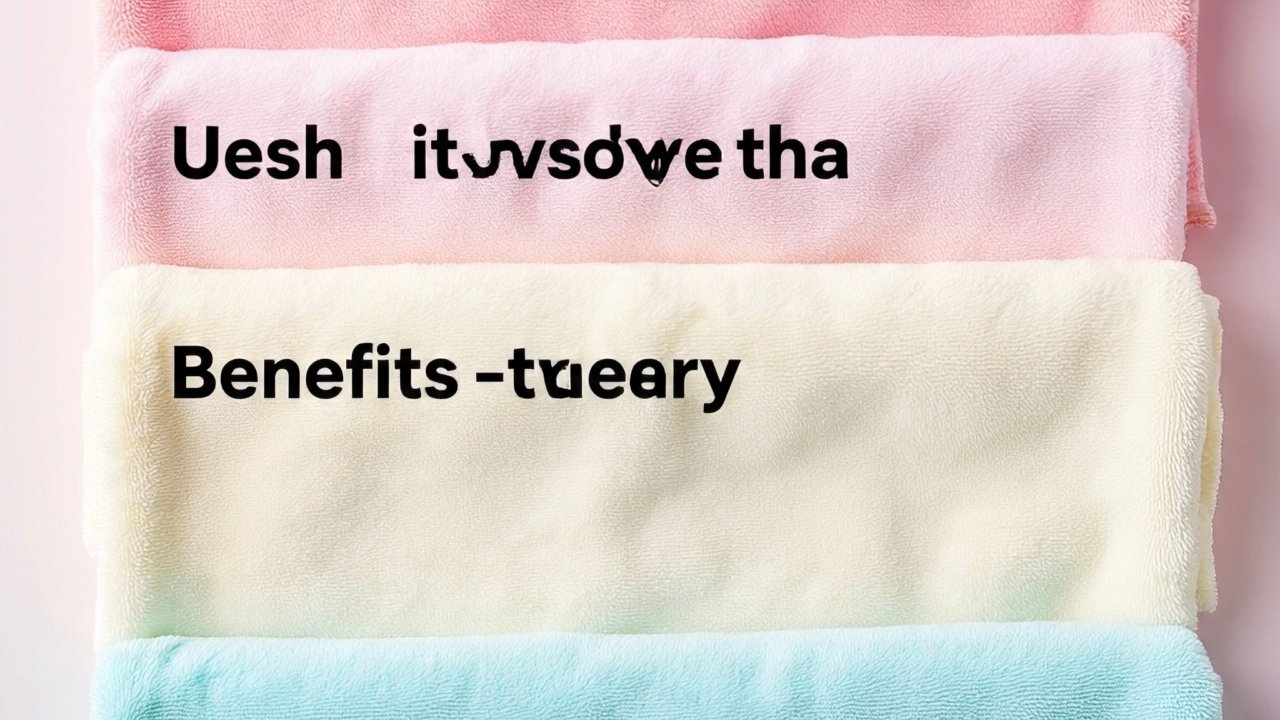
Terry cloth is one of the most comfortable and practical fabrics used in everyday life. From bath towels to robes, baby products to sportswear, this fabric plays an important role in homes, hotels, gyms, and spas. Its soft texture and high absorbency make it ideal for drying and comfort.
In this detailed guide, we will explore what terry cloth is, how manufacturers produce it, where people use it, its benefits, types, comparison with other fabrics, care instructions, and buying tips.
What Is Terry Cloth?
Terry cloth is a woven fabric known for its soft loops on one or both sides. These loops increase the surface area of the fabric, which allows it to absorb large amounts of water. Manufacturers usually make terry cloth from cotton, but they also produce it using bamboo, microfiber, or blended fibers.
The looping technique makes terry cloth different from flat fabrics. The loops trap moisture efficiently, making the fabric highly absorbent. This is why most bath towels use terry cloth.
The fabric originated centuries ago in Europe. Over time, it became popular worldwide because of its functionality and comfort.
How Manufacturers Make Terry Cloth
Textile manufacturers produce terry cloth using a special weaving technique. They use two warp beams: one creates the base fabric, and the other forms the loops.
Here is how the process works:
- The loom weaves the base threads tightly.
- Extra threads form loops by remaining slightly loose.
- The loops stay intact after weaving.
- The fabric undergoes finishing processes such as washing, dyeing, and softening.
The loop density determines the absorbency and softness. Higher loop density means better water absorption.
Some manufacturers also create French terry, which has loops on one side and a smooth surface on the other. This version is popular in sweatshirts and loungewear.
Types of Terry Cloth
Different types of terry cloth serve different purposes. Let’s explore the main types:
1. Cotton Terry Cloth
Cotton terry cloth remains the most popular type. It offers natural softness, breathability, and excellent absorbency. Luxury towels and bathrobes usually use high-quality cotton terry.
2. Bamboo Terry Cloth
Bamboo-based terry cloth provides eco-friendly benefits. It feels extremely soft and offers antibacterial properties.
3. Microfiber Terry Cloth
Microfiber terry dries faster than cotton. People often use it in cleaning cloths and sports towels.
4. French Terry
French terry features loops on one side and a smooth knit surface on the other. Clothing brands use it in hoodies, joggers, and lightweight sweatshirts.
Common Uses of Terry Cloth
Terry cloth appears in many everyday products because of its practical qualities.
Bath Towels
Bath towels represent the most common use. The loops absorb water quickly and leave skin dry.
Bathrobes
Hotels and spas prefer terry cloth robes because they feel luxurious and comfortable.
Baby Products
Manufacturers use terry cloth in baby bibs, washcloths, and hooded towels because the fabric remains gentle on sensitive skin.
Sportswear
Athletes use terry wristbands and headbands to absorb sweat during workouts.
Cleaning Products
Microfiber terry cloth works well for cleaning surfaces due to its absorbency.
Benefits of Terry Cloth
Terry cloth offers several advantages that make it popular worldwide.
1. High Absorbency
The loop structure increases surface area, allowing the fabric to absorb significant moisture.
2. Soft Texture
The fabric feels soft against the skin, making it ideal for towels and robes.
3. Durability
High-quality terry cloth lasts for years if you care for it properly.
4. Breathability
Cotton terry cloth allows air circulation, preventing overheating.
5. Easy Maintenance
You can machine wash most terry cloth products without special treatment.
Terry Cloth vs Other Fabrics
Understanding how terry cloth compares with other fabrics helps buyers make informed decisions.
Terry Cloth vs Microfiber
Microfiber dries faster but may not feel as natural as cotton terry cloth.
Terry Cloth vs Velour
Velour features cut loops that create a smooth surface. Terry cloth keeps its loops intact for higher absorbency.
Terry Cloth vs Fleece
Fleece provides warmth but does not absorb water as effectively as terry cloth.
GSM in Terry Cloth
GSM stands for grams per square meter. It measures fabric weight and density.
- 300–400 GSM: Lightweight towels
- 400–600 GSM: Standard bath towels
- 600–900 GSM: Luxury towels
Higher GSM usually means thicker and more absorbent fabric.
How to Care for Terry Cloth
Proper care extends the life of terry cloth products.
- Wash in warm water.
- Avoid fabric softeners (they reduce absorbency).
- Tumble dry on low heat.
- Do not overload the washing machine.
- Shake towels before drying to maintain fluffiness.
If you follow these steps, your towels and robes will remain soft and absorbent.
How to Choose the Best Terry Cloth Products
When shopping for terry cloth items, consider these factors:
Fiber Quality
Choose 100% cotton for natural softness and durability.
Loop Density
Look for tightly woven loops for better absorbency.
GSM Rating
Select GSM based on your preference for thickness.
Stitching Quality
Check edges and hems for strong stitching to prevent fraying.
Eco-Friendly Terry Cloth Options
Many brands now focus on sustainable production. Organic cotton terry cloth reduces chemical use. Bamboo terry cloth offers biodegradable benefits. Recycled fiber options also support environmental protection.
Consumers increasingly prefer sustainable textile products, especially for home and baby use.
Terry Cloth in Fashion
Fashion designers use French terry in casual wear. Hoodies, joggers, and sweatshirts often feature this comfortable fabric. It offers a relaxed look while maintaining softness and breathability.
In the 1970s and 1980s, terry cloth gained popularity in beachwear and sports fashion. Today, designers continue to reinvent it in modern styles.
Final Thoughts
Terry cloth remains one of the most versatile and useful fabrics in the textile industry. Its looped structure delivers superior absorbency, comfort, and durability. Whether you use it in bath towels, robes, baby items, or sports accessories, terry cloth provides reliability and comfort.
By understanding fabric types, GSM, and care methods, you can choose the best terry cloth products for your needs. With proper maintenance, high-quality terry cloth items will serve you for years.